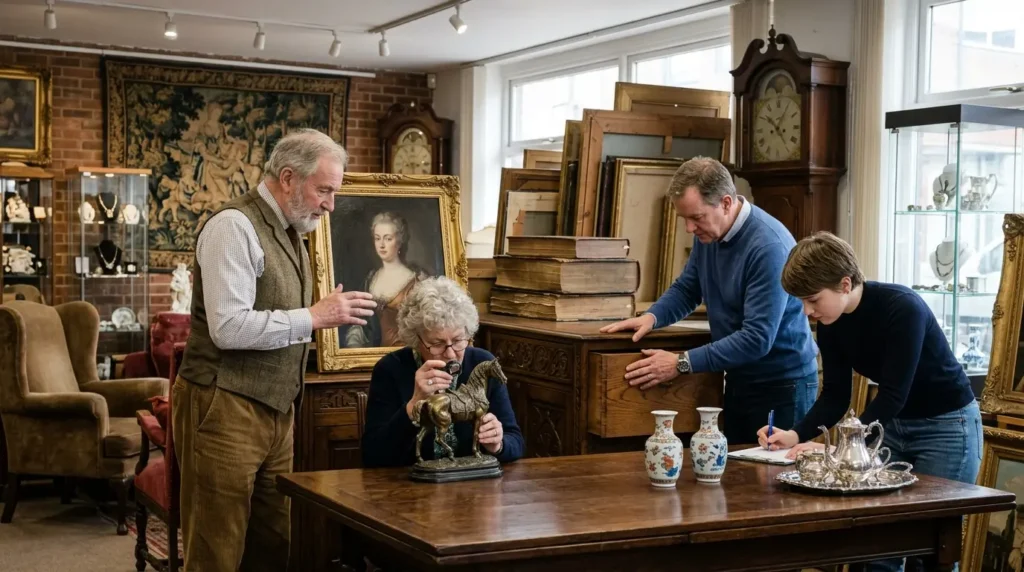
Whether you are looking to buy or sell antiques, it is essential to understand how antique dealers evaluate furniture, art, and collectibles. The process involves a combination of research, experience, and expertise in identifying the value of these items. In this blog, we will break down how antique dealers evaluate these treasures and what factors determine their worth.
Factors That Influence the Value of Antiques
Antique dealers consider several factors when evaluating an item’s worth. Understanding these factors can help you make informed decisions when buying or selling antiques. Below are some key elements that antique dealers focus on:
-
Age and Rarity
One of the first things antique dealers look at is the age of the item. An antique must be at least 100 years old to be considered a true antique. However, age alone is not enough to determine the value. Rarity plays an important role as well. If the piece is one-of-a-kind or part of a limited edition, it can significantly increase its value.
-
Condition
The condition of the item is crucial in determining its value. Furniture or art in excellent condition with little to no wear will be more valuable than those with significant damage. However, some wear can be acceptable depending on the item’s age and how rare it is. Antique dealers will look at whether the piece has been restored or altered in any way, as these changes can impact its value.
-
Provenance
Provenance refers to the history of the item, including its previous owners and its journey from creation to the present. Items with a well-documented provenance are often more valuable. Provenance can increase an item’s desirability, especially if it has been owned by a famous person or if it comes with detailed records of its origin.
-
Materials and Craftsmanship
The materials used and the craftsmanship of the piece are essential factors in the evaluation process. High-quality materials like mahogany, walnut, or fine porcelain, and skilled craftsmanship can greatly increase the value of an antique. Antique dealers are experts in identifying materials and can spot the difference between well-crafted furniture or artwork and mass-produced items.
-
Artistic and Cultural Significance
Art and collectibles are often evaluated based on their cultural significance or artistic value. Paintings, sculptures, and other works of art are valued not only for their aesthetic appeal but also for their place in history. For example, a painting by a renowned artist will be worth significantly more than an unsigned piece from the same era. Likewise, collectibles with cultural or historical importance will often fetch higher prices.
How Antique Dealers Evaluate Furniture
When evaluating antique furniture, antique dealers focus on several specific factors:
-
Design and Style
The design and style of the furniture are essential in determining its value. Different periods in history have distinct styles, such as Victorian, Art Deco, or Mid-Century Modern. Antique dealers are familiar with these styles and can determine the era of a piece based on its design elements. Furniture from highly regarded designers or periods may be valued higher.
-
Craftsmanship and Joinery
The way the furniture is constructed also plays a significant role in its evaluation. Furniture that is handmade or features intricate joinery techniques like dovetail joints or hand-carved details is typically more valuable than machine-made pieces. Antique dealers will examine the quality of the craftsmanship to assess its worth.
-
Wood Type and Finish
The type of wood used in the piece and its finish are also crucial factors. High-quality hardwoods like oak, mahogany, and walnut are highly valued. Furniture with original finishes, such as a hand-rubbed varnish or natural patina, may be worth more than pieces that have been refinished.
How Antique Dealers Evaluate Art
Antique dealers evaluating art typically consider the following:
-
Artist and Provenance
The artist behind the piece is one of the most significant factors in evaluating art. Well-known artists like Picasso, Van Gogh, or other masters can make a painting or sculpture much more valuable. Provenance, again, plays a vital role in art evaluation. If the artwork has a known history and has been in galleries or private collections, it can increase its value.
-
Medium and Technique
The medium used by the artist (oil on canvas, watercolors, sculptures, etc.) can impact the value of the artwork. The technique used, including brushstroke style or sculpting method, will also be considered. Art that demonstrates skillful techniques and innovative use of materials is often valued higher.
-
Condition and Restoration
Similar to furniture, the condition of the artwork is crucial. Pieces with no damage, fading, or restoration are typically worth more than those that have been repaired. However, some artworks may increase in value after a high-quality restoration.
How Antique Dealers Evaluate Collectibles
Collectibles, such as vintage toys, coins, jewelry, or memorabilia, are evaluated differently than furniture or art. Antique dealers will typically look at:
-
Rarity and Demand
The rarity of a collectible is often what determines its value. Limited edition items, especially those that were not widely produced, are considered more valuable. Demand for specific collectibles also affects their value. For instance, if there’s high demand for a specific type of collectible, the price may increase, even if the item is not particularly old.
-
Condition and Packaging
As with furniture and art, the condition of the item is crucial. Collectibles in their original packaging or with original tags tend to be more valuable. Items that are in mint condition or have been well-preserved will always fetch a higher price.
-
Historical and Cultural Significance
Some collectibles have historical or cultural importance, which can make them more valuable. For example, a vintage toy that reflects a specific period in history or a coin from a rare minting can be worth much more than other collectibles of similar age.
Choose Antique Buyers Tristate for Expert Antique Evaluation
Understanding how antique dealers evaluate furniture, art, and collectibles can help you make smarter decisions, but getting an accurate value still requires professional expertise. At Antique Buyers Tristate, we bring years of hands-on experience, market knowledge, and a keen eye for detail to every evaluation. Whether you’re selling a single piece or an entire collection, our team ensures you receive a fair, transparent, and competitive offer.
We specialize in evaluating a wide range of antiques, including furniture, fine art, jewelry, and rare collectibles. Our process is simple, honest, and designed to give you confidence in every step. If you’re ready to discover the true value of your antiques, contact Antique Buyers Tristate today for a professional assessment you can trust.