A lot of people use the words antique and collectible like they mean the same thing. That is very common, especially when someone is cleaning out a family home, sorting through inherited pieces, or trying to figure out whether old items may be worth selling. At first glance, the two sound very similar. Both can be old. Both can have value. Both can attract buyers. Still, they are not exactly the same.
Knowing the difference can help you make smarter choices. It can help you understand what you own, what buyers may look for, and why some items sell better than others. It can also help you speak more clearly with antique dealers and antique buyers when you are ready to get an opinion or sell something important.
Why People Often Mix Up Antiques and Collectibles
The confusion usually starts with age. Many people assume that anything old must be an antique. That sounds simple, but the market does not work that way. Some old items are antiques. Some are collectibles. Some are vintage. Some are simply older secondhand items with little demand.
The reason people get mixed up is because age and value do not always move together. An item can be old and still not worth much. On the other hand, an item can be newer and still have strong resale value because collectors actively want it.
That is why antique dealers and antique buyers do not rely on age alone. They look at the full story of the item. They consider condition, rarity, maker, style, materials, history, and current demand. Once you understand that, the antique versus collectible question becomes much easier to answer.
What Makes Something an Antique
In general, an item is usually considered an antique when it is at least 100 years old. That is the standard most people in the trade use, and it is one of the clearest ways to separate antiques from other older items. A general reference like antique age guidelines explains this common rule clearly.
Still, age by itself does not create value. A chair made more than 100 years ago may qualify as an antique, but that does not automatically mean buyers will pay a high price for it. If it has major damage, poor repairs, weak design, or low market demand, the value may stay limited. On the other hand, a well made and well preserved piece from the same period can attract serious interest.
This is where the market becomes more interesting. A true antique often carries a sense of history. It may reflect a certain era, style, or craft tradition. It may show construction methods, materials, or details that are hard to find today. These qualities matter a lot to antique dealers because they help place the item in context.
When antique buyers evaluate antiques, they often pay close attention to originality. Original finish, original hardware, original parts, and clear signs of authentic age can all matter. Many sellers think polishing, repainting, or replacing parts makes an item more valuable, but that is not always true. In many cases, too much alteration can lower the appeal.
What Makes Something a Collectible
A collectible is an item people want because of demand, rarity, nostalgia, design, or category interest. A collectible does not need to be 100 years old. In fact, many collectibles are much newer than antiques.
This category can include watches, coins, stamps, military items, old toys, sports memorabilia, advertising signs, art glass, comic books, porcelain figures, pottery, and decorative objects. Some collectibles are old enough to also count as antiques. Others are not. What matters most is that people actively want them.
That is the key point. A collectible gets much of its identity from collector demand. If enough people are searching for a certain maker, model, style, or series, the item may have strong resale value even without reaching antique age.
This is why many antique buyers handle both antiques and collectibles. The markets often overlap. Someone who buys estate contents may see silver, coins, military items, porcelain, jewelry, and watches in the same home. Some pieces may fall into the antique category. Others may be more collectible than antiques. Experienced antique dealers know how to separate one from the other.
The Main Difference Between an Antique and a Collectible
The easiest way to understand the difference is this:
- An antique is usually defined by age.
- A collectible is usually defined by demand.
That simple idea clears up a lot of confusion. If something is over 100 years old, it generally fits the antique category. If something is desirable because collectors want it, it fits the collectible category, even if it is newer.
Of course, there can be overlap. Some items are both antique and collectible. A rare coin, a signed piece of porcelain, or an early military item can fall into both groups at the same time. That is why professional evaluation matters.
When antique dealers look at an object, they are not just asking, “How old is this?” They are also asking, “Who made it?” “How rare is it?” “How is the condition?” “Is there an active market for it?” These questions help determine whether the item has practical resale value.
That same process is important for antique buyers too. Buyers need to know whether something is valuable because of age, because of current collector demand, or because it combines both qualities. This is what separates an informed offer from a random guess.
Can a Collectible Turn Into an Antique
Yes, it can.
A collectible can become an antique once enough time passes. An object that starts out as a collectible today may eventually cross the 100 year mark and then qualify as an antique by age. That change happens naturally over time.
Still, becoming an antique does not guarantee a jump in value. The item must still have qualities buyers care about. Condition, maker, rarity, and demand still matter.
For example, a watch can begin as a collectible because of brand appeal, design, and buyer interest. Years later, it may also qualify as an antique. At that point, it may attract attention from both collectors and antique specialists. That broader interest can help, but only if the piece still holds quality and market appeal.
This is why many antique dealers say the label matters less than the complete market picture. A collectible can become an antique, but value is always shaped by more than one factor. Smart antique buyers know how to look at the timeline and the current demand together.
What Gives These Items Value
Whether something is antique or collectible, a few major factors usually shape what it may be worth.
Age
Age matters, especially for antiques. An older item may have more historical interest and may appeal to buyers who want genuine period pieces.
Condition
Condition is one of the biggest factors of all. Cracks, chips, missing parts, staining, heavy wear, repairs, and broken elements can all affect value. In some markets, untouched original condition is preferred over heavy restoration.
Rarity
The harder an item is to find, the more attention it may get. Limited production, short runs, rare styles, unusual patterns, and hard to find variations can all help value.
Maker or Brand
Known makers can make a real difference. A signed piece, a respected manufacturer, or a recognized designer often creates stronger buyer interest. This is something antique dealers pay close attention to when reviewing older pieces.
Materials
Gold, sterling silver, fine porcelain, carved wood, bronze, and other quality materials can increase interest. Material value alone may not tell the whole story, but it can strengthen the overall appeal.
Provenance
Provenance means background or history. Old receipts, family records, labels, boxes, photos, or ownership details can sometimes help support authenticity and value.
Market Demand
This is one of the most important points. Buyers pay for what they want now. Market demand changes with time. Certain categories become hot. Others cool off. Because of that, antique buyers often base their offers on what real buyers are actively seeking in the current market.
Common Things People Misidentify
Many household items sit right in the middle of this conversation. People often know something looks old, but they are not sure how the market would classify it.
Furniture
Furniture is a major one. A piece may look antique, but unless it is at least 100 years old, it may be better described as vintage or collectible. Construction style, wood type, hardware, and design all matter here. Antique dealers often identify age through details like joinery, materials, and wear patterns.
Jewelry
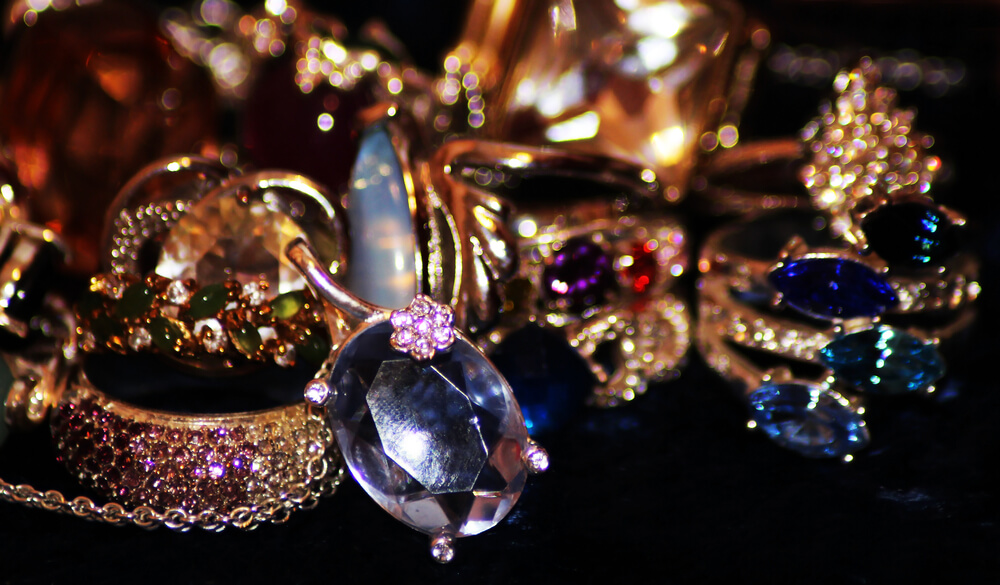
Estate jewelry can be antique, vintage, or collectible depending on age, design period, and materials. Gold content, gemstones, and signed names can all shape value. Many antique buyers review jewelry separately because even non antique pieces can have strong worth.
Watches
Watches are often collectible first. Certain brands and models can attract high interest without being antiques. That is one reason sellers should not assume that newer means less valuable.
Coins and Stamps
These are classic collectible categories. Some older examples also qualify as antiques, but many are valued more for rarity, date, mint mark, printing error, and collector interest than for age alone.
Silver
Silver items can hold value for more than one reason. There may be metal value, design value, maker value, and age value all at once. This is a category where experienced antique buyers can often spot important details quickly.
Porcelain and Pottery
China sets, figurines, plates, vases, and pottery are often misunderstood. Some are antiques. Some are collectibles. Backstamps, maker marks, patterns, and condition matter a lot. General educational resources on collecting also show how demand and rarity shape the market.
Military Items
Military pieces can draw strong collector demand. Age matters, but authenticity, era, rarity, and historical importance often matter just as much. That is why many antique dealers and antique buyers treat military items as a specialized category.
Why Expert Evaluation Matters
A lot of sellers try to identify value by searching online and comparing photos. That can help a little, but it is often not enough. Two items that look similar in a picture may have very different values because of condition, maker, age, or authenticity.
This is why expert evaluation matters. Experienced antique dealers know what details influence market interest. They can often tell the difference between a true antique, a later reproduction, a strong collectible, and a common decorative item that may have limited resale demand.
The same goes for antique buyers. A knowledgeable buyer understands what is selling, what is sitting, and what categories are receiving active interest. That real market view can save sellers a lot of time and confusion.
Professional review is especially useful when dealing with inherited property, estates, downsizing, or large mixed collections. In those situations, sellers often have many types of items together. Some may be antiques. Some may be collectibles. Some may have value mainly because of metal, maker, or rarity. Having trained eyes on the group can make the process much smoother.
Get Professional Help From Antiques Buyers Tristate
If you are in New Jersey, New York, or Connecticut and you are trying to figure out whether your item is an antique or a collectible, getting help from experienced local professionals can make the process much easier. Antiques Buyers Tristate says our family owned business serves the New York Tri State area, buys single items and full estates, and offers free appraisals for categories that include jewelry, watches, fine art, coins, stamps, silver, military items, porcelain, pottery, and Judaica. Our clients work directly with owner Konrad, who has more than 20 years of experience in the antiques business. Contact us now if you want a local opinion from trusted antique dealers and professional antique buyers in the Tri State area.